

HYPOXIC TRAINING PROGRAM
Expert-guided training with a personalized hypoxic protocol
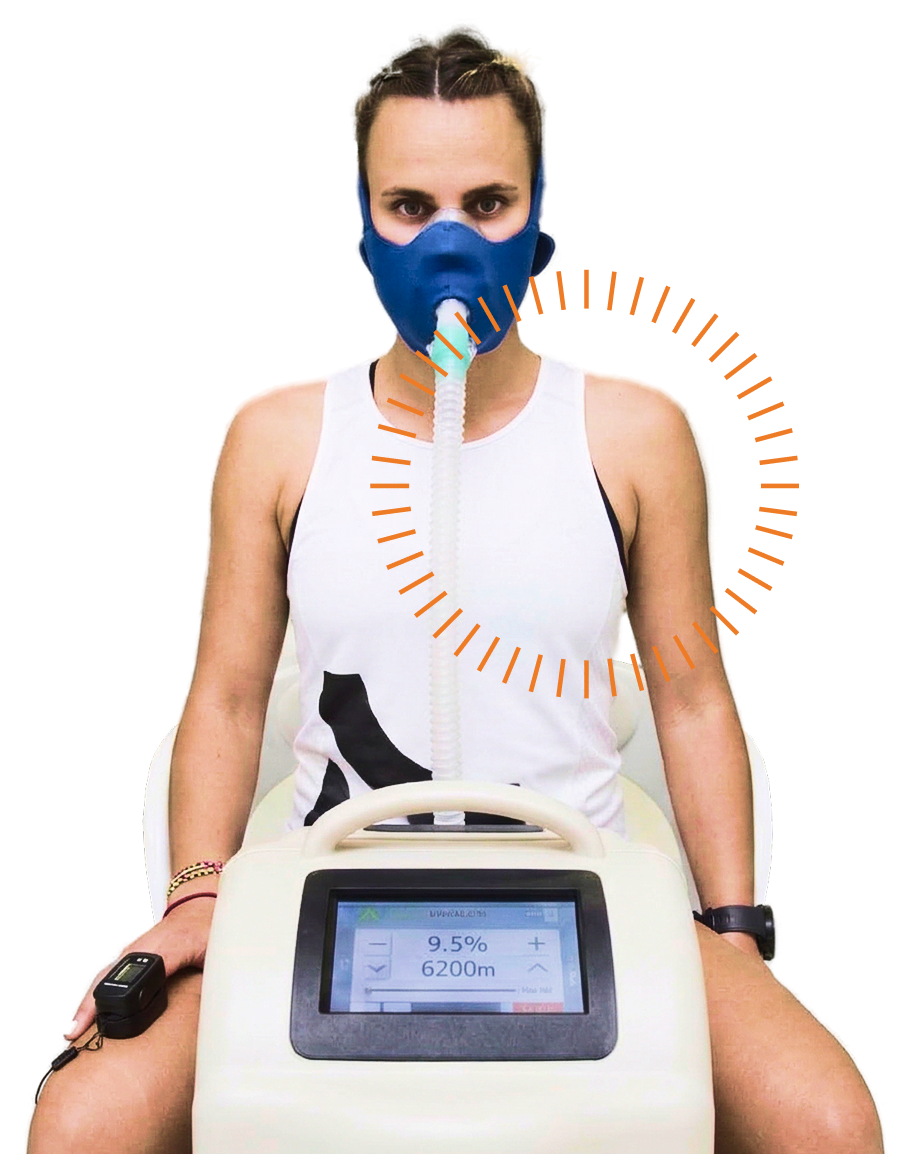
HYPOXIC TRAINING —
a tool that allows controlled exposure to reduced oxygen availability before you reach altitude and can support pre-acclimatization as part of a broader high-altitude preparation strategy
WHAT'S INCLUDED IN THE PROGRAM?
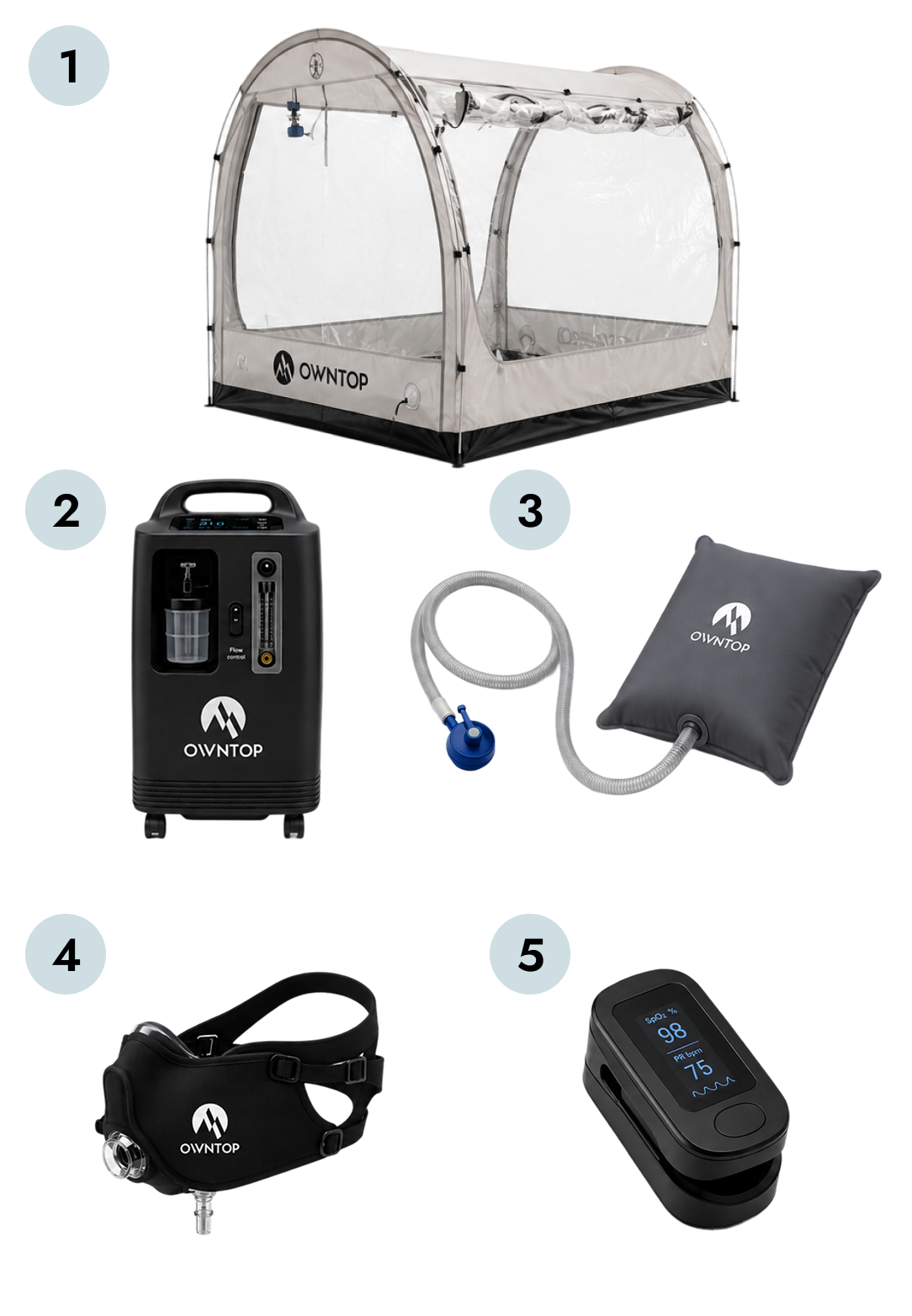
EQUIPMENT
for hypoxic training at home
Equipment delivery across Russia, plus discounts on purchase/rental worldwide
1
Portable Tent
Sleep at altitude without leaving your own home
2
Hypoxic Generator
Simulates the oxygen level in the air you breathe, up to 6,400 m above sea level
3
Breathing Circuit
Carries air from the generator to the mask
4
Mask
Paired with the generator, lets you train across a wide altitude range from 1,500 to 6,400 m
5
Fingertip Pulse Oximeter
Monitors blood oxygen levels in your blood during sleep and training
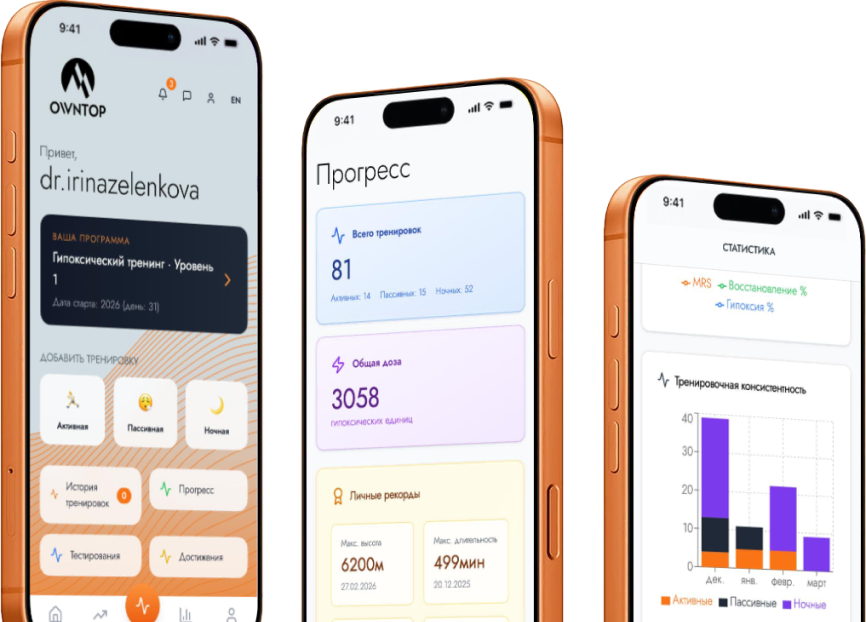
APP AND GADGETS
to track your body’s response to hypoxic training and adjust your training program daily
Built on a mathematical model based on 20 years of research into hypoxia and high-altitude climbing. It factors in your metrics, training load, and adaptation dynamics to select an effective, safe training protocol.
Inside the app, you get:
Day-by-day personalized program adjustments
Recommendations based on your data and how your body responds
Monitoring of adaptation and training load
Direct contact with, and support from, your expert
More predictable, safer preparation for your climb
What's inside the app
Hide
PERSONALIZED PROGRAM
of active hypoxic training
Based on your individual physiology and an integrated assessment of physiological data (sleep, heart rate variability, hypoxia adaptation, overall wellbeing)
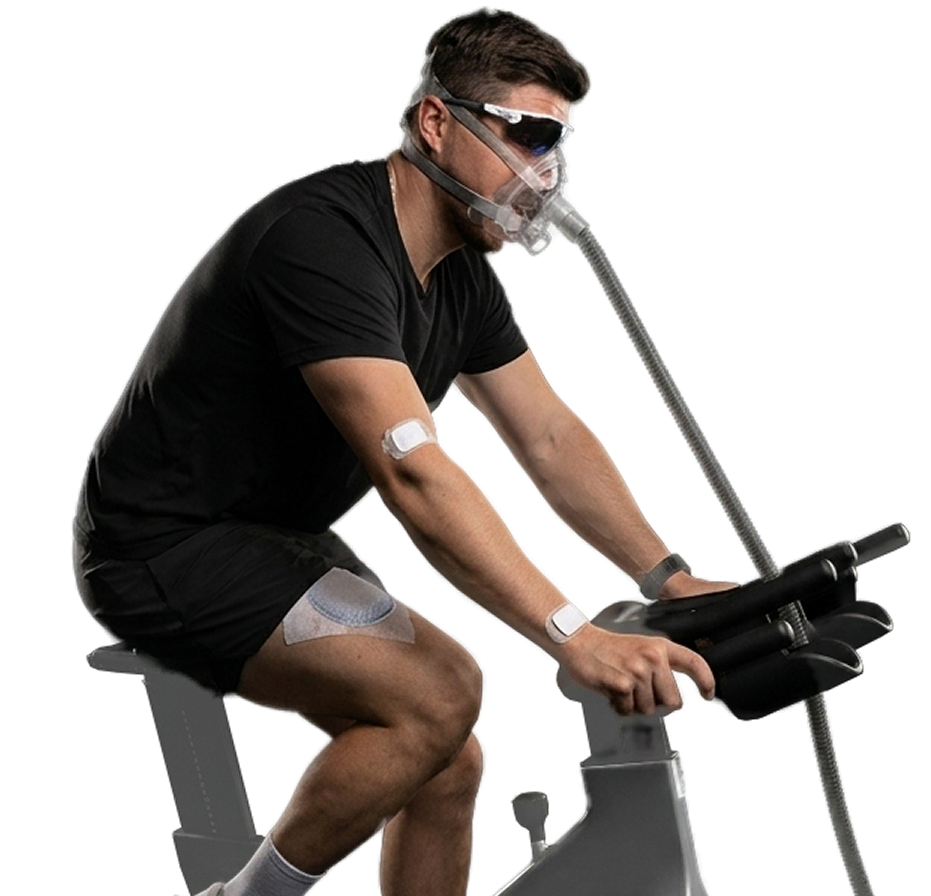
WHAT CAN HYPOXIC TRAINING SUPPORT?
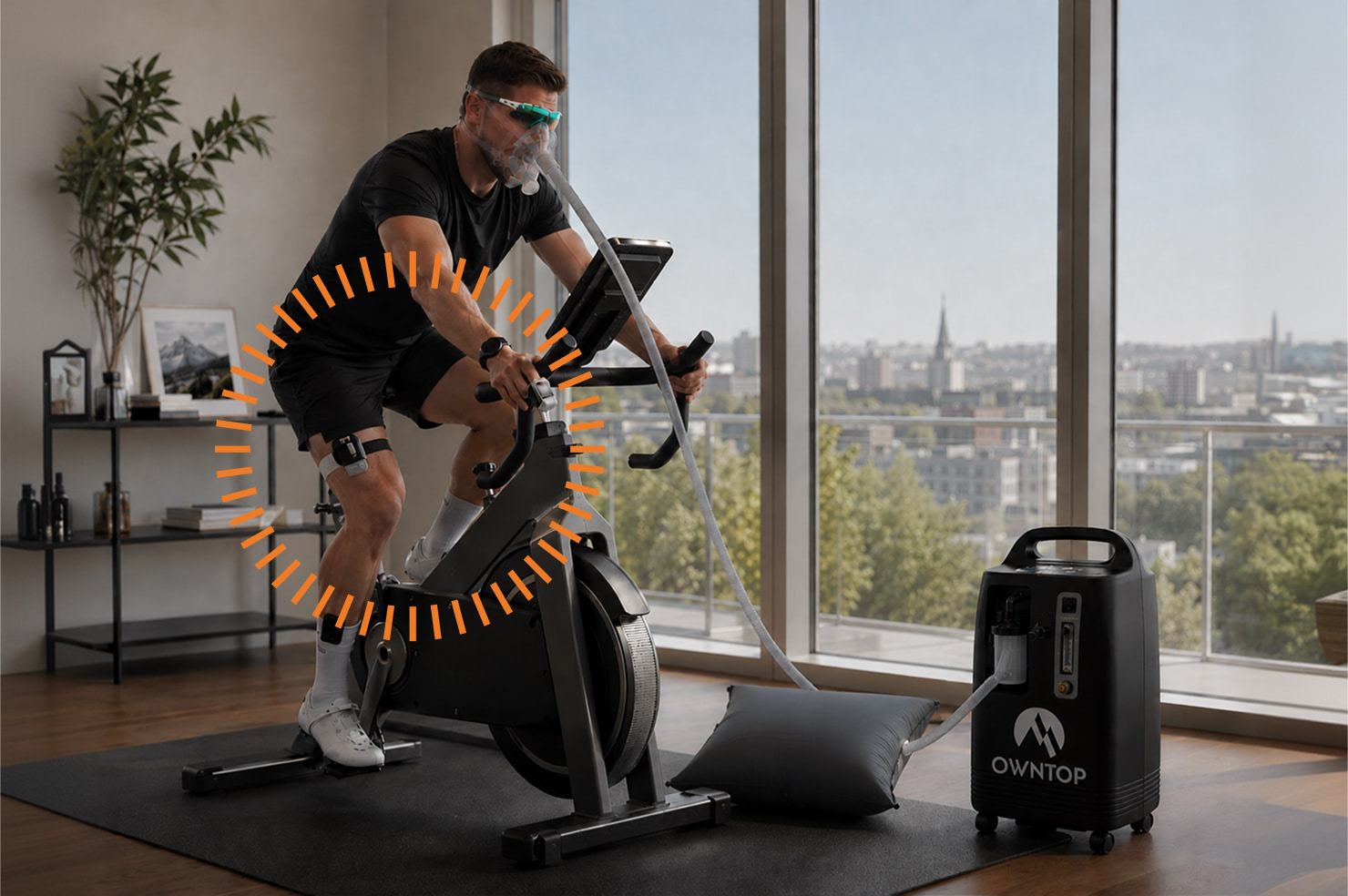
Active hypoxic training
Depending on the protocol and individual response, active hypoxic training may:
support aerobic and muscular adaptations relevant to exercise under reduced oxygen availability
improve tolerance to exercise under hypoxic conditions
contribute to improvements in aerobic performance
provide an additional altitude-specific training stimulus
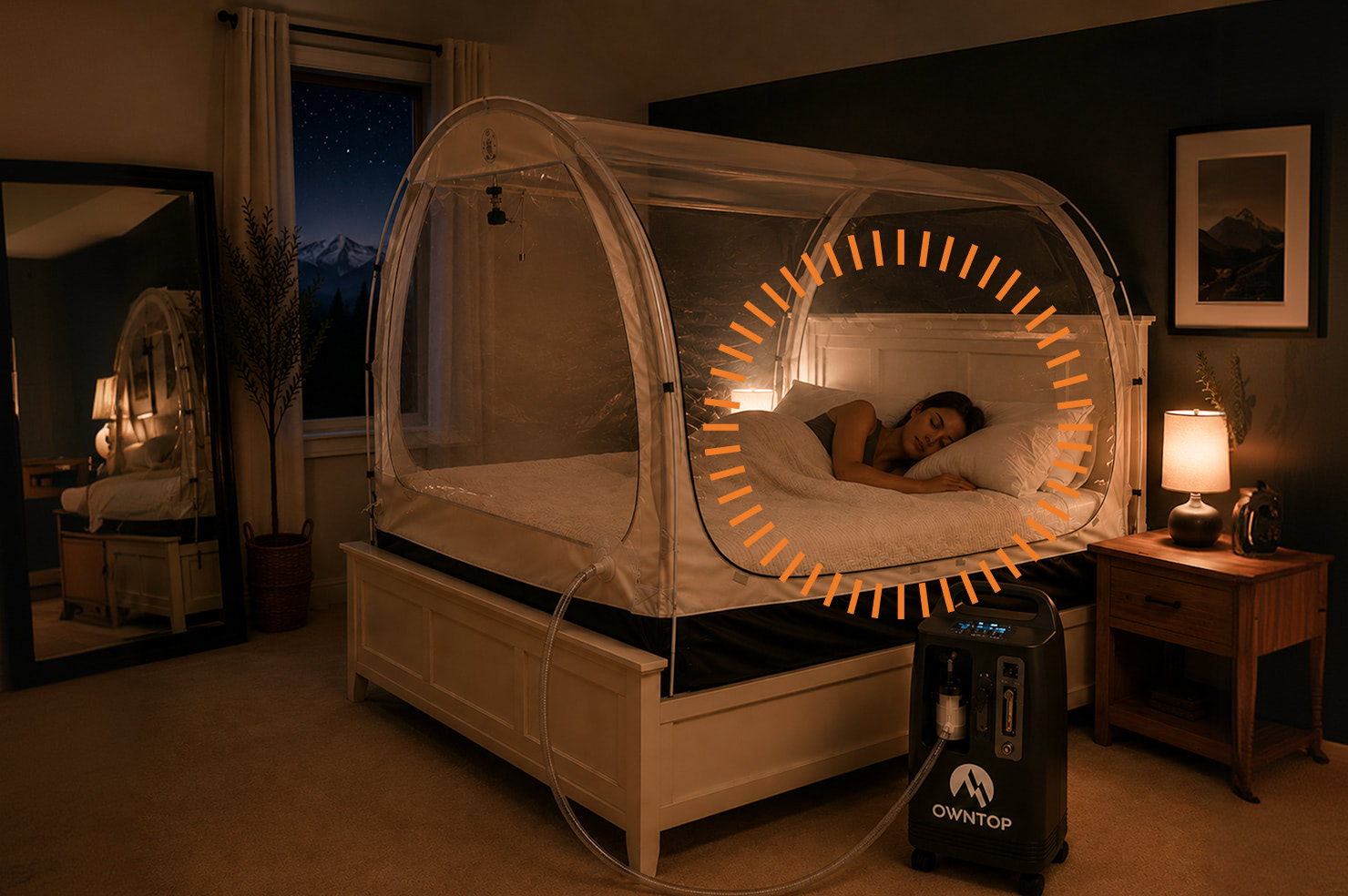
Sleeping in a hypoxic tent
When an appropriate hypoxic dose is achieved, repeated overnight exposure may:
stimulate erythropoietic responses
contribute to increases in total hemoglobin mass in some individuals
support physiological pre-acclimatization before altitude exposure
contribute to aerobic adaptations depending on the protocol and individual response
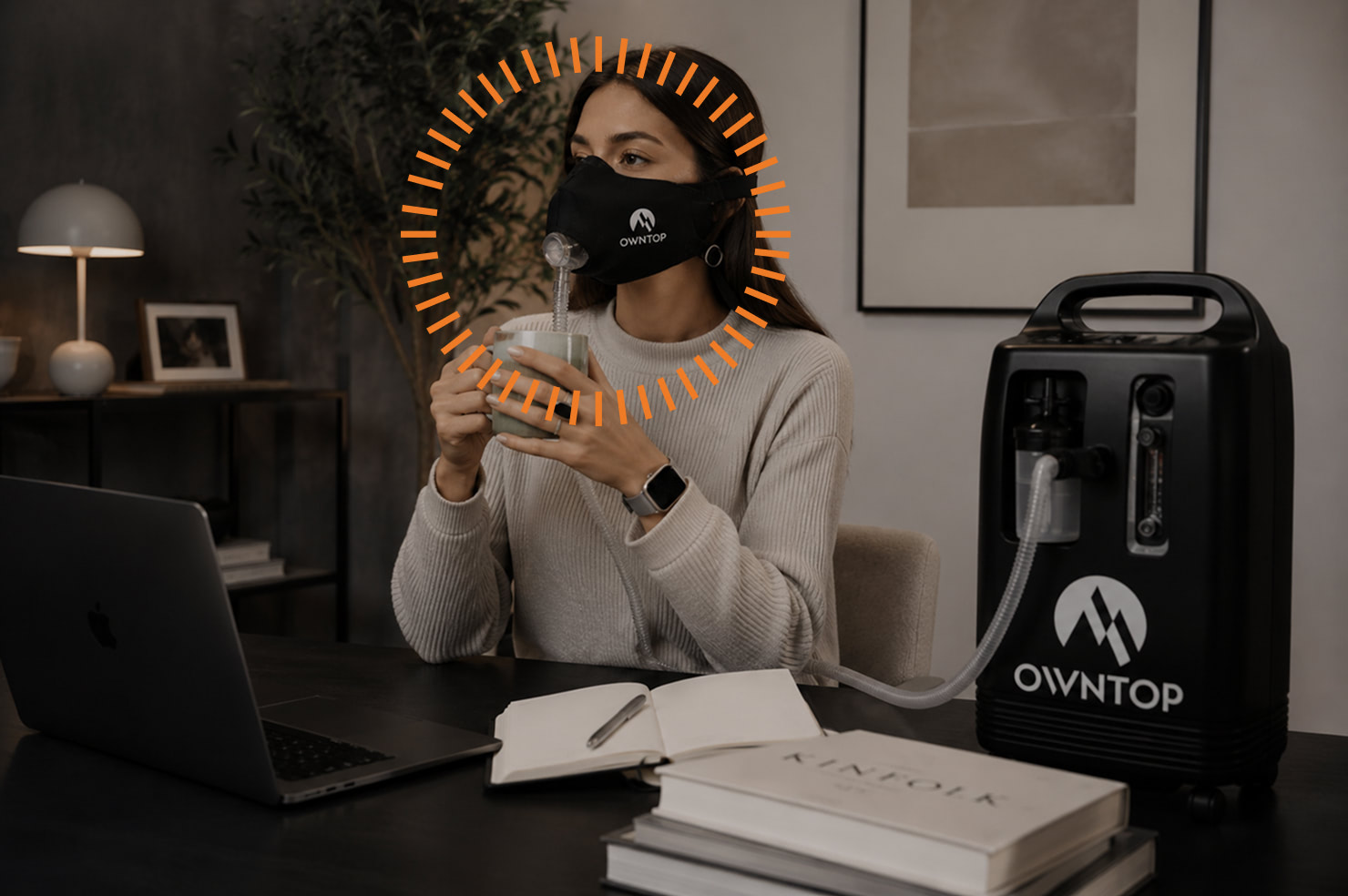
Intermittent hypoxic training
Depending on the protocol, intermittent hypoxic training may:
provide an additional stimulus for aerobic adaptation
support adaptations involved in oxygen utilization and exercise tolerance
improve tolerance to exercise under hypoxic conditions
Individual responses vary, and the magnitude of adaptation depends on factors including hypoxic dose, exposure duration, training status, iron availability, recovery, and the specific protocol used.
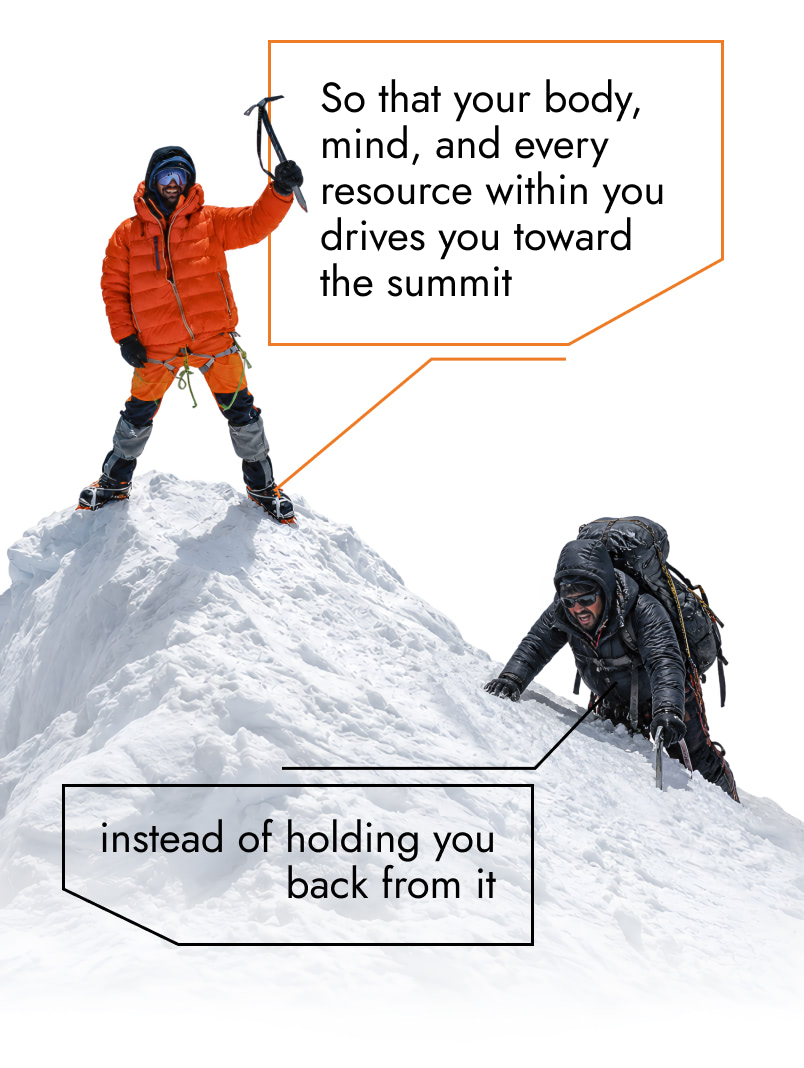
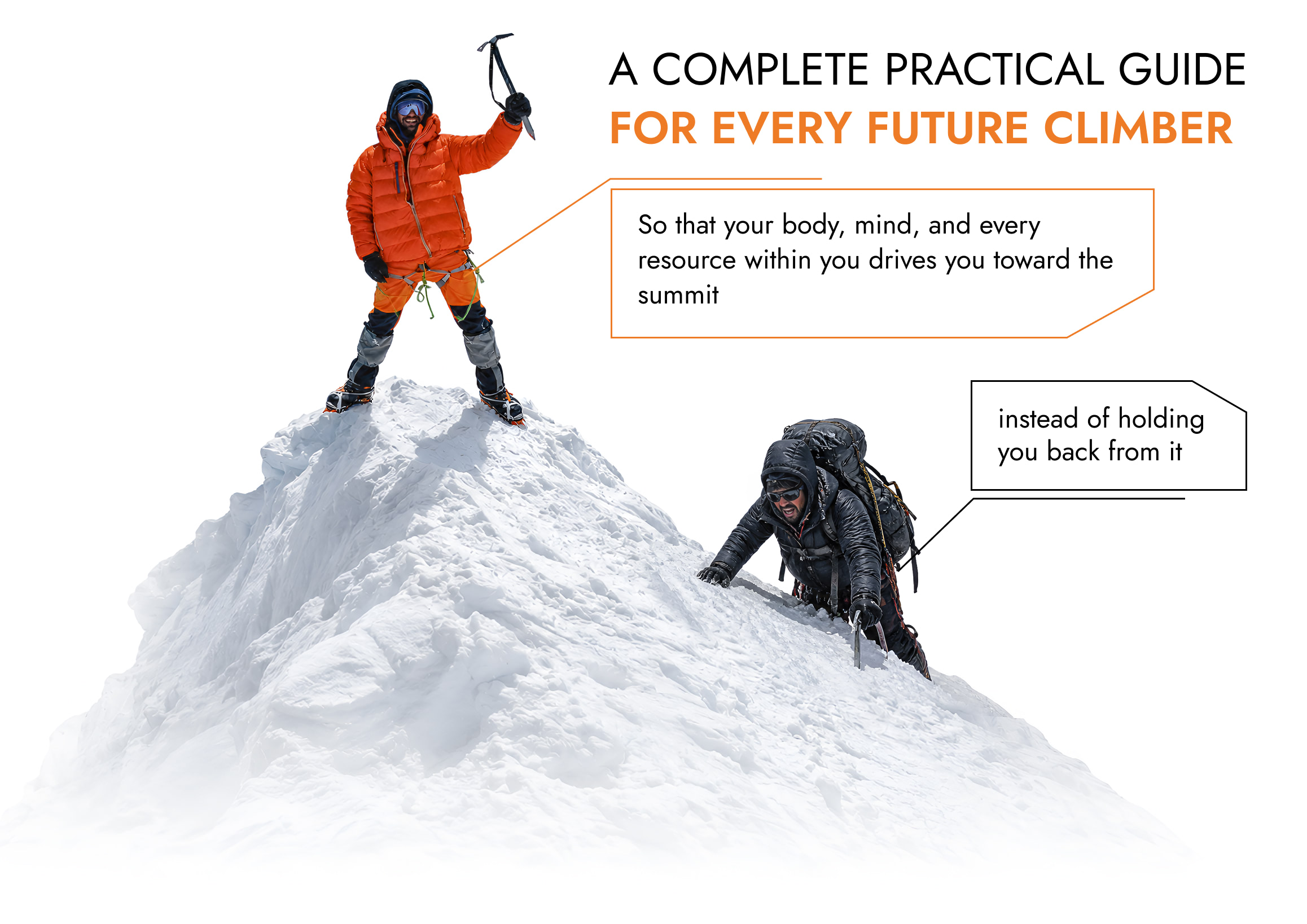



INDIVIDUALIZED HYPOXIC PERFORMANCE COACHING —
a personal "mountain simulator" at home, working before you even reach altitude


HYPOXIC TRAINING PROGRAM
Full equipment set, if required
App with data analysis and recommendations
Personalized hypoxic training program
A separate coaching service incorporating hypoxic training into an individualized high-altitude preparation strategy, if required
From 450 USD / 4 weeks *
The price may vary depending on the country and whether additional equipment is required.
IRINA ZELENKOVA
IRINA ZELENKOVA, MD, PHD.
FOUNDER OF OWNTOP AND DEVELOPER OF THE OWNTOP METHODOLOGY. HIGH-ALTITUDE PREPARATION SPECIALIST, IOC DIPLOMA IN SPORTS MEDICINE.
Everest summiteer with over 18 years of experience in sports performance and high-altitude preparation, including work with Olympic and World Championship medalists and participants in expeditions to the world’s highest peaks and polar regions.
ANSWERS TO YOUR QUESTIONS
Do you guarantee that I’ll reach the summit?
No. No preparation program can guarantee a successful summit. Weather, route conditions, illness, individual response to altitude, expedition logistics, and other factors can all influence the outcome.
What we can do is help you prepare systematically — physically, physiologically, and mentally — and give you the knowledge and tools to better understand your condition, recognize warning signs, and make more informed decisions in the mountains.
I’m worried I won’t be able to complete the climb
That concern is common, especially when you’re preparing for a new altitude or a more demanding objective.
OWNTOP gives you a structured, step-by-step preparation framework covering physical training, altitude preparation, nutrition and recovery, mental preparation, equipment, and altitude safety.
The goal is to help you arrive with a clearer understanding of what to expect and how to prepare for the demands of your specific objective.
I’m worried that my health or physical condition might let me down
The program includes a health screening checklist that you can discuss with your doctor before beginning your preparation.
It also helps you assess your current physical readiness and identify areas that may need additional attention before your expedition.
If you have an existing medical condition, concerning symptoms, or questions about whether a particular climb is appropriate for you, medical evaluation and clearance should come from a qualified healthcare professional.
I’ve already had an unsuccessful climb. Can I prepare differently next time?
Yes. A previous unsuccessful attempt does not necessarily mean that the same outcome will happen again.
We look at factors that can influence an expedition outcome — such as physical preparation, ascent profile, acclimatization strategy, previous altitude response, recovery, nutrition, psychological readiness, and expedition demands.
Understanding what happened previously can help you build a more individualized preparation strategy for your next objective.
I’ve previously experienced HAPE or HACE. Can I return to high altitude?
A previous episode of high-altitude pulmonary edema (HAPE) or high-altitude cerebral edema (HACE) is medically significant and should be evaluated before another high-altitude expedition.
Before returning to altitude, we recommend discussing your history and future plans with a physician experienced in altitude medicine or an appropriate specialist.
If you are medically cleared to return to altitude, your preparation can then take your previous episode into account. This may include a more conservative ascent and acclimatization strategy, individualized pre-acclimatization where appropriate, closer monitoring, and a clear emergency and descent plan.
OWNTOP can support the preparation and performance aspects of this process, but it does not replace medical evaluation or medical clearance.
WHAT DRIVES THIS RESULT
OWNTOP'S PATENTED METHODOLOGY
Used in the preparation of record-setting climbers, Olympic-level athletes, and professional sports teams
REGULAR PHYSIOLOGICAL MONITORING
Throughout the preparation process and, where appropriate, during the expedition
A PERSONALIZED TRAINING PROGRAM
Training load and workouts are adapted to your physiology, current fitness level, recovery, and expedition goals
EXPERT GUIDANCE
Backed by more than 10 years of experience in mountain and high-altitude preparation
INDIVIDUALIZED HYPOXIC PERFORMANCE COACHING
Full equipment set, if required
App with data analysis and recommendations
Personalized hypoxic training program
A separate coaching service incorporating hypoxic training into an individualized high-altitude preparation strategy, if required
From 450 USD / 4 weeks *
The price may vary depending on the country and whether additional equipment is required.
STILL HAVE QUESTIONS?
Message us, and the OWNTOP team will help you choose the right preparation format


Irina Zelenkova, self-employed professional (autónoma), Spain
NIE/NIF: Y7411519J
Independencia 317, 1-3, 08026 Barcelona, Spain
Email: dririnazelenkova@gmail.com
OWNTOP provides educational and sports-performance services. The Online Course does not provide individualized medical diagnosis, treatment, prescription or medical clearance. Individual responses to training, altitude and hypoxic exposure vary, and no course or coaching program can guarantee acclimatization, prevention of altitude-related illness, summit success or safe participation in a particular expedition.